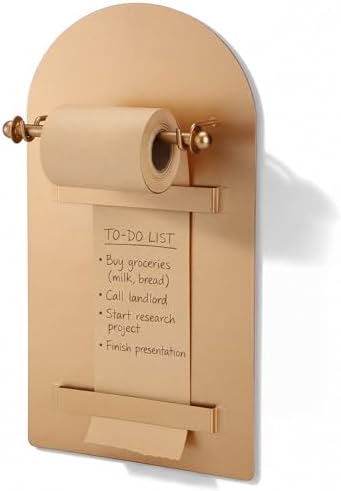
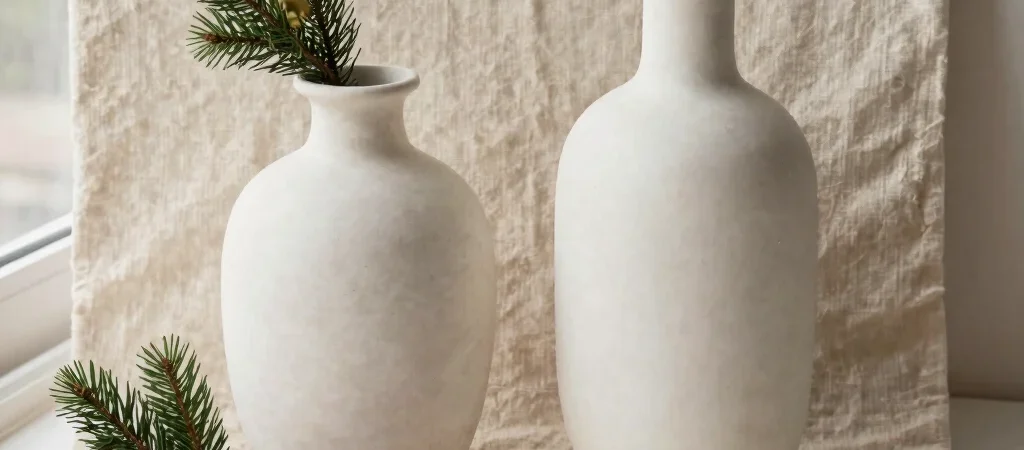
You spot a polished lamp, vase, or accessory in a holiday roundup, then find a lower-priced piece with a similar outline. It’s tempting to stop at the resemblance. A more useful comparison looks at what each listing actually says—and whether the alternative fits the person, space, and budget you have in mind.
Start with the shared design cue
Name the feature that caught your eye: a rounded base, a fluted surface, a particular color, or a clean geometric shape. That gives you a specific way to compare options instead of treating “designer-inspired” as a guarantee of matching quality or construction. Strauss House uses these comparisons as a starting point, not a claim that two items are identical.
Read beyond the main photo
Compare listed dimensions, materials, finish, care guidance, and what is included. If a detail matters to the recipient—such as the feel of a textile or the scale of a tabletop piece—look for a clear description and supporting images rather than filling in the blanks. Retailer listings can change, so revisit the page for current information before making a decision.
Decide what makes the gift
A good alternative does not need to imitate every feature of its inspiration. It may simply offer a pleasing shape at a price that leaves room for a handwritten card, thoughtful wrapping, or another small addition. Affiliate links on Strauss House may earn us a commission if you make a purchase, at no extra cost to you; our aim is to make the comparison clear so you can choose with confidence.